Value Meal Deals & Combo Bundles
10 items in this category.
Meal deals look simple on the menu board, but the savings depend on what you'd have ordered anyway. Sometimes a bundle saves real money. Sometimes it just adds food you didn't want.
This page explains how combo pricing works, which bundle types exist, how to compare a deal against à la carte, and what usually limits an offer.
Meal Deals Menu
Meal Deals
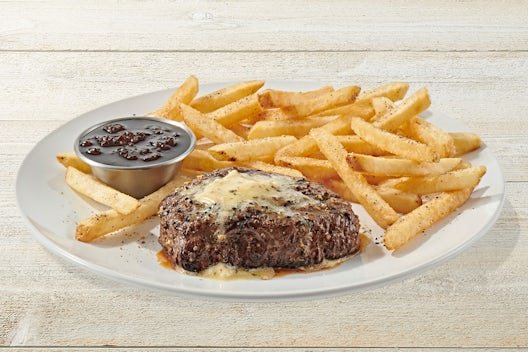
6oz Center-Cut Sirloin
A grilled 6 oz USDA Choice sirloin served with seasoned fries.
 Meal Deals
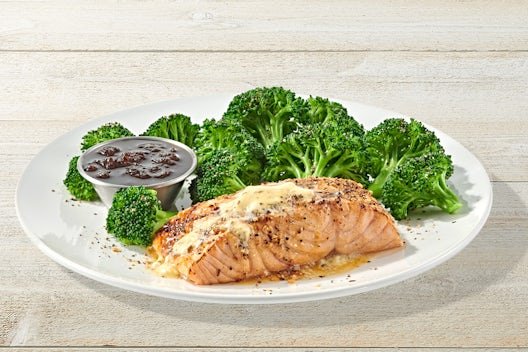
Grilled Salmon
A 6 oz sustainably raised salmon fillet served with garlic-butter broccoli.
 Meal Deals
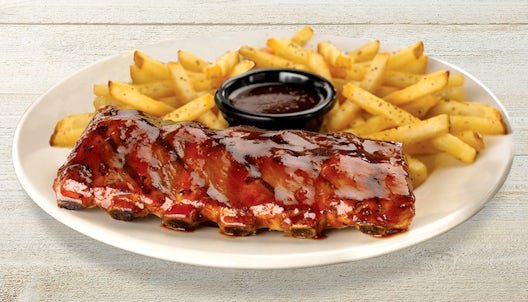
FRIDAYS™ Big Ribs
Slow double-basted pork ribs, finished in BBQ sauce or whiskey glaze, served as a meal deal.
 Meal Deals
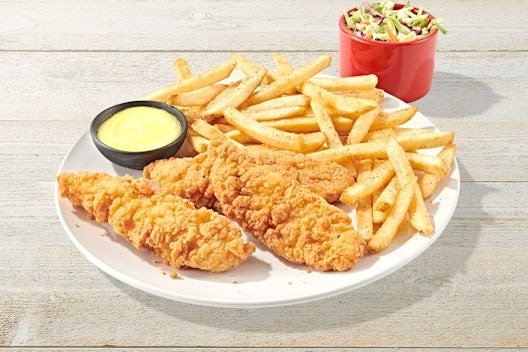
Crispy Chicken Fingers
Three chicken fingers, seasoned fries and coleslaw with a choice of dipping sauce.
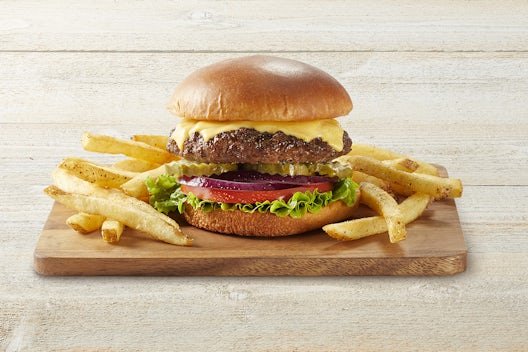 Meal Deals
Cheeseburger
American cheese, lettuce, tomato, red onion and pickles with seasoned fries.
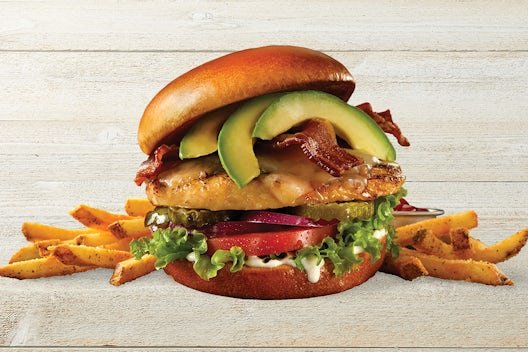 Meal Deals
Bacon Ranch Chicken Sandwich
Grilled chicken breast with hickory-smoked bacon, provolone and avocado, served as a meal deal.
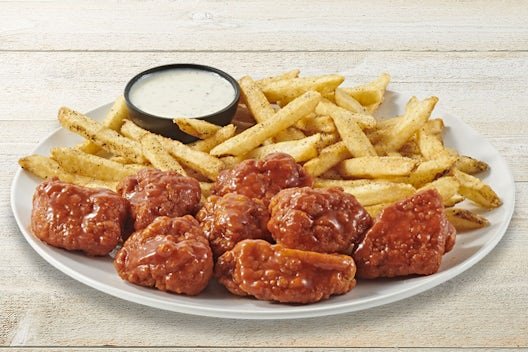 Meal Deals
Boneless Wing Basket
Eight boneless wings with a choice of sauce, seasoned fries and a dip.
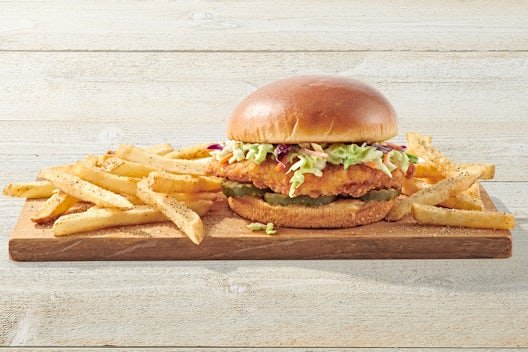 Meal Deals
Fridays Crispy Chicken Sandwich
Crispy chicken breast with pickles and TGI sauce, served with seasoned fries.
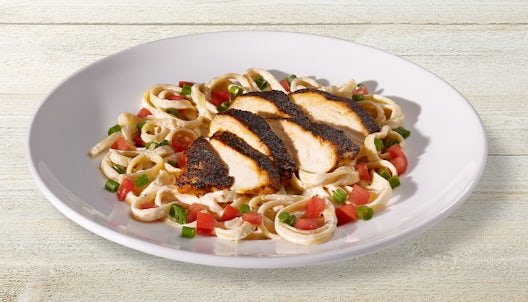 Meal Deals
Blackened Chicken Alfredo
Blackened chicken breast over fettuccine in a Parmesan Alfredo sauce.
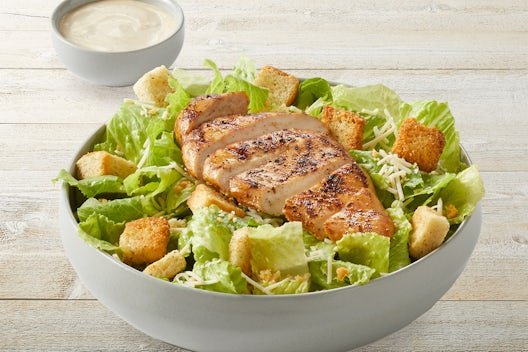 Meal Deals
Chicken Caesar Salad
Grilled chicken over romaine with Parmesan-Romano, croutons and Parmesan crisps.
Maximize Your Savings: How Meal Deals Work
A meal deal groups items that people commonly order together and prices them below the sum of the individual items. The restaurant gives up margin on the bundle and makes it back on volume and on higher-margin items inside it, usually the drink and the side.
That's the key to reading any deal. The discount is real, but it's biggest on the items with the highest markup.
Two common structures:
Fixed bundles list exact items with no choices. These carry the deepest discount because the kitchen can prep efficiently.
Build-your-own bundles let you pick a main, a side, and a drink from set lists. Slightly less discount, much more flexibility.
The third structure is a course-based deal, like a two-course or three-course offer, where you choose a starter or dessert alongside an entree at a set price.
Featured Bundles: 2-Course Specials & Lunch Deals
| Bundle type | Usually includes | Best for |
|---|---|---|
| Lunch combo | Half entree or sandwich, side, drink | Weekday midday |
| 2-course special | Entree plus starter or dessert | Dinner for one or two |
| 3-course meal | Starter, entree, dessert | Sit-down dinner |
| Family bundle | Multiple entrees, shared sides | Four or more people |
| Appetizer and drink deal | Starter plus beverage | Happy hour |
Lunch combos are usually the best value per dollar, because portions are smaller and the price cut is proportionally larger.
Course-based deals make the most sense when you were already planning to order a dessert or starter. If you weren't, the bundle costs more than the entree alone.
Family bundles save the most in absolute terms once you're feeding four or more.
Price vs. Value: À La Carte vs. Combo Savings
A quick way to check any deal:
1. Write down what you'd order without the bundle 2. Add up those prices from the regular menu 3. Compare against the bundle price 4. Subtract the value of anything in the bundle you won't eat
That last step is where most people lose money. A bundle that includes a dessert you skip isn't a discount, it's a different meal at a higher price.
| Scenario | Bundle worth it? |
|---|---|
| You wanted a starter and an entree anyway | Yes, usually the best case |
| You only wanted the entree | Often no |
| Feeding a group with mixed appetites | Yes, if swaps are allowed |
| You have a coupon for the same items | Compare both, deals rarely stack |
| You want a specific customization | Check restrictions first |
Prices vary by location, so run the comparison against your own store's menu rather than a national list.
Daily Availability & Seasonal Meal Offers
Most deals carry restrictions, and they follow predictable patterns.
Lunch deals typically run on weekdays within a set time window, often ending in the mid-afternoon. Weekend availability is less common.
Happy hour offers usually apply to appetizers and drinks during defined hours, and frequently exclude major holidays.
Seasonal bundles rotate with the calendar. They tend to run for a few weeks, then disappear or change contents.
Dine-in only restrictions still exist on some offers, particularly anything involving drinks or unlimited refills.
Because promotions are set at the store or regional level, the safest move is checking your specific location's deals page or app before planning around an offer.
Frequently Asked Questions (FAQs)
Many are, but not all. Some offers, especially happy hour and drink-inclusive deals, are dine-in only. Delivery platforms sometimes list different pricing than the restaurant's own app. Check the terms shown with the offer at your location.
Limited swaps are usually allowed, such as changing a side or a drink within the same tier. Upgrading to a premium item generally costs extra. Fixed-price bundles with fully preset contents often allow no substitutions at all.
Savings depend on the bundle and your location, and typically apply only if you would have ordered every included item anyway. Add up the individual menu prices for those items and compare against the bundle price to see the real difference.
Not always. Lunch combos are commonly weekday-only, and happy hour deals run within set hours. Family bundles and course-based specials are more likely to be available daily. Holiday exclusions are common across most promotional offers.
Usually not on top of an existing discount, since most promotions can't be combined. Reward points may still accrue on a bundle purchase even when a coupon can't be applied. Terms differ by location and loyalty program.
Deciding Quickly
If the bundle contains something you'd have ordered anyway, take it. If it contains something you'd throw away, order à la carte. That one question answers most meal deal decisions in about ten seconds.