Kids Menu: Balanced & Fun Meals
6 items in this category.
Ordering for kids at a restaurant is mostly a question of portion size, familiarity, and how long the food takes to arrive. A kids menu exists to solve all three.
This page covers what's normally included in a kids meal, how portions compare to adult plates, what parents should check for allergies, and how to handle picky eaters without a fight at the table.
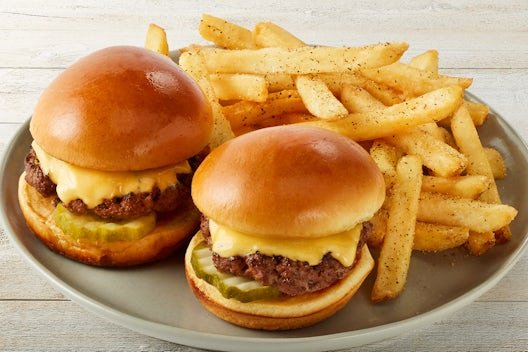
Kids Meals Menu
Kids Meals
Kid's Cheese Sliders
Two mini cheeseburger sliders sized for a kid's plate.
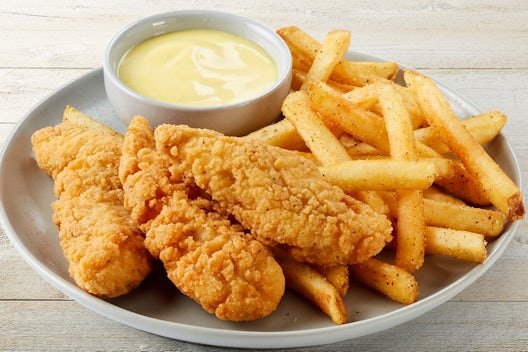 Kids Meals
Kid's Crispy Chicken Fingers
Three crispy chicken fingers with honey mustard and a kid's side.
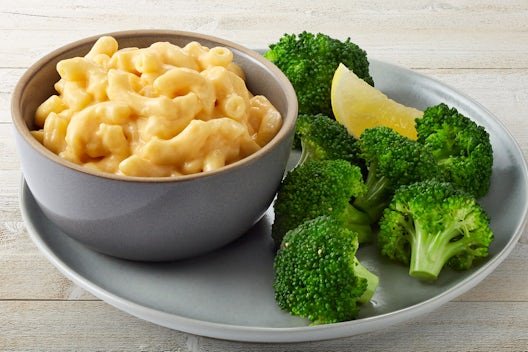 Kids Meals
Kid's Cheddar Mac & Cheese
Elbow macaroni tossed in a creamy cheddar sauce, served with a kid's side.
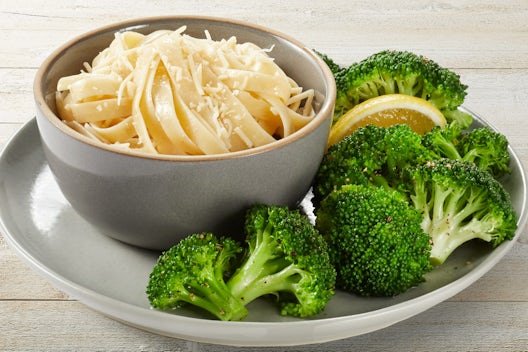 Kids Meals
Kid's Pasta
Fettuccine tossed in butter and Parmesan-Romano, or a tomato marinara.
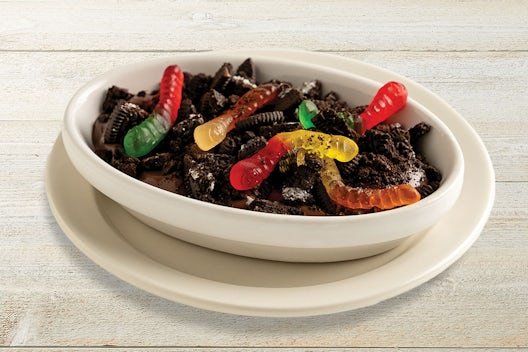 Kids Meals
Kid's Cup of Dirt
Chocolate pudding layered with crumbled cookies.
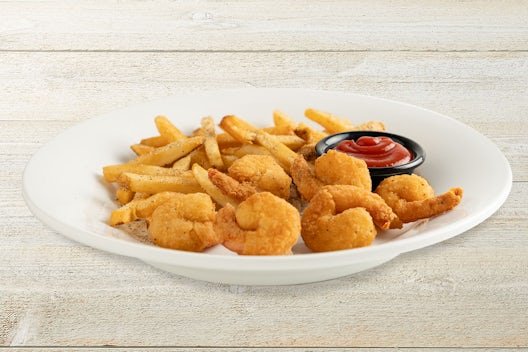 Kids Meals
Kid's Fried Shrimp
A kid-sized portion of fried shrimp served with a side of choice.
Kid-Tested Flavors & Picky-Eater Friendly Options
Kids menus stay narrow on purpose. The items that show up almost everywhere are chicken tenders, mini burgers or sliders, macaroni and cheese, pasta with butter or marinara, grilled cheese, and a simple grilled chicken plate.
They share three traits: mild flavor, simple texture, and fast cook time.
For genuinely picky eaters, plain works better than clever. Pasta with sauce on the side, a burger with nothing on it, or grilled chicken with fries almost always lands.
If you're trying to move a child toward something better, the easiest swap is the side, not the main. Fruit or steamed vegetables instead of fries changes the meal without touching the part they care about.
Portion size is the other lever. Most kids menus target roughly a third to a half of an adult portion, which is usually right for ages 4 to 10. Older kids often do better with a lunch-size adult entree.
What's Included: Mains, Sides, Drinks & Sweets
| Component | Typical options |
|---|---|
| Main | Chicken tenders, sliders, mac and cheese, pasta, grilled chicken |
| Side | Fries, fruit, applesauce, steamed vegetables, side salad |
| Drink | Milk, juice, water, soft drink |
| Dessert | Small ice cream or cookie, where included |
Most kids meals bundle a main, one side, and a drink at a single price. Dessert is included at some restaurants and sold separately at others.
Refills on soft drinks and juice vary. Milk usually isn't refillable.
Two practical notes for parents. First, ask whether the kids meal comes out with the adult entrees or before them. Serving kids first keeps the table calmer. Second, sauces almost always come on the side if you ask, which prevents the "it's touching" problem.
Portion Sizes & Nutritional Information for Parents
A kids meal generally lands somewhere between 350 and 700 calories depending on the main and side. Fried mains with fries sit at the top of that range, grilled mains with fruit at the bottom.
Three swaps that make the biggest difference:
- Fries to fruit or vegetables
- Soft drink to milk or water
- Fried main to grilled
The USDA's dietary guidance suggests most children ages 4 to 8 need roughly 1,200 to 1,600 calories per day, which puts a single restaurant kids meal at a meaningful share of that. Actual needs vary by age and activity level.
Chain restaurants with 20 or more locations are required to publish calorie information for standard menu items, so the numbers for your specific location are available on the menu or the brand's website. Use those instead of estimates when you need accuracy.
Sodium is worth a look too. Fried and processed kids items tend to be higher in sodium than the calorie count suggests.
Allergen & Dietary Safety Guidelines
Tell the server about any allergy at the start of the order, not as a note at the end. That gives the kitchen time to adjust.
The most common issues on kids menus:
- Wheat in breading, buns, and pasta
- Dairy in mac and cheese, cheese slices, and butter sauces
- Egg in breading and some sauces
- Soy in oils, marinades, and sauces
- Peanut or tree nuts, more often in desserts than mains
Fried items usually share a fryer, so a plain grilled item is the safer choice for a serious allergy.
Ask whether the restaurant has an allergen chart. Most chains keep one, and it's more reliable than asking a server to recall ingredients from memory.
For vegetarian kids, mac and cheese, cheese pizza where offered, and pasta with marinara are the usual safe picks. Confirm the sauce doesn't contain meat stock.
Frequently Asked Questions (FAQs)
Kids menus are generally aimed at children roughly 12 and under, with portions best suited to ages 4 to 10. Some locations set an age limit for ordering from it. Older kids and teens usually do better with a lunch-size adult entree.
Most kids meals include one side and one drink at a set price. Dessert is included at some restaurants and charged separately at others. The menu description at your location shows exactly what the price covers.
Yes. Milk, juice, and water are standard alternatives to soft drinks on nearly all kids menus, usually at no extra cost. Milk and water are the lower-sugar choices, since juice can contain as much sugar as soda.
Yes, kids meals can be ordered for takeout and delivery. Grilled items, pasta, and mac and cheese travel best. Fried tenders soften during transit, so a short pickup trip gives better results than a long delivery.
Many locations mark common allergens on the menu or provide an allergen chart on request. Plain grilled items with a simple side are usually the safest starting point. Always tell staff about the allergy directly, since shared fryers and prep surfaces carry cross-contact risk.
A Simple Approach
Order the main your kid will actually eat, then improve the side and the drink. That one habit does more for a restaurant meal than trying to talk a seven-year-old into grilled salmon.