Hot Off The Grill: Flame-Grilled Entrees
9 items in this category.
Grilled entrees are the part of the menu where cooking method matters as much as the cut. Open flame, a hot surface, and a glaze applied at the right moment are what separate a good steak from a dry one.
This page explains how flame-grilling works on a restaurant line, which cuts are worth ordering, how to pick a doneness level, and what to drink with each.
Hot Off the Grill Menu
Hot Off the Grill
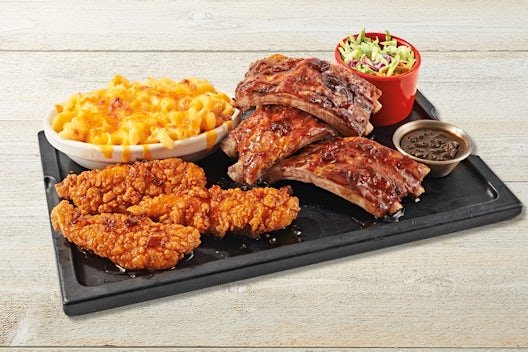
Fridays Feast Pick 2
Choose two delicious proteins and pair them with your favorite sides to create a satisfying meal. Perfect for sharing, this hearty feast brings variety and bold flavors to the table.
 Hot Off the Grill
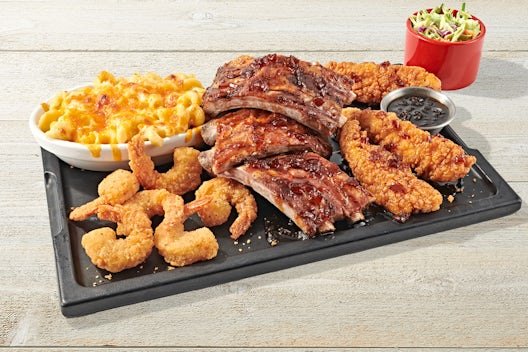
Fridays Feast Pick 3
Choose three delicious protein options along with your favorite sides to create a satisfying feast. Perfect for sharing, this platter brings variety, bold flavors, and something everyone can enjoy.
 Hot Off the Grill
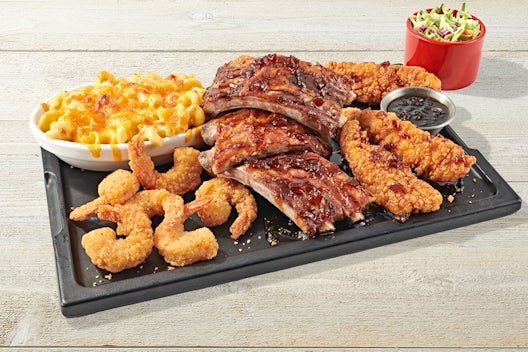
The Classic
A half-rack of ribs paired with whiskey-glazed chicken fingers and a side of your choice. Enjoy tender, flavorful meat coated in rich sauces, bringing together smoky, sweet, and savory flavors in one satisfying platter.
 Hot Off the Grill
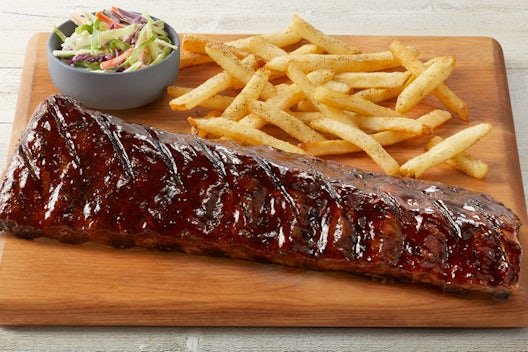
FRIDAYS™ Big Ribs
Slow double-basted pork ribs, finished in BBQ sauce or whiskey glaze. Cooked until tender and juicy, these ribs deliver a rich smoky flavor with a deliciously sticky coating.
 Hot Off the Grill
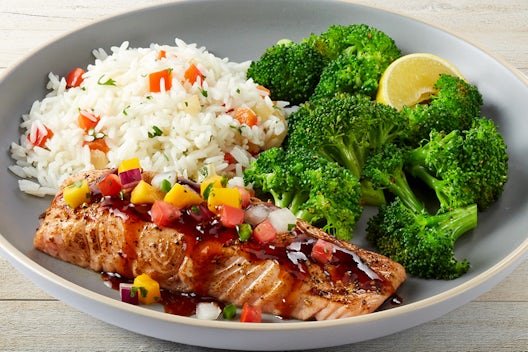
Dragon-Glazed Salmon
A spicy-sweet Dragon-glazed salmon fillet, grilled and plated with a side of choice. The salmon is cooked to a tender, flaky texture, offering a delicious balance of sweet, savory, and spicy flavors in every bite.
 Hot Off the Grill
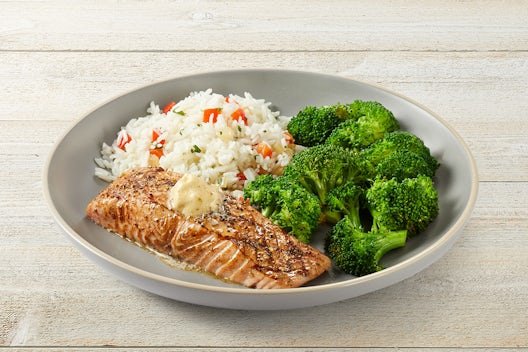
Salmon Filet
A 6 oz sustainably raised salmon fillet with garlic butter and jasmine rice. Perfectly prepared for a tender, flaky texture, this dish combines rich buttery flavors with delicate seasoning, offering a balanced and satisfying seafood meal.
 Hot Off the Grill
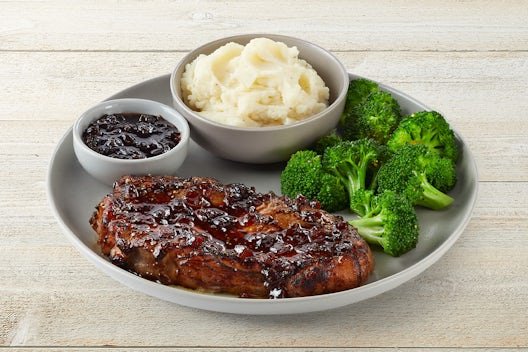
12oz New York Strip
A grilled 12 oz USDA Choice New York strip, finished garlic-butter or whiskey-glaze style. This flavorful steak features a tender texture, rich beefy taste, and a beautifully seared exterior.
 Hot Off the Grill
8oz Sirloin
A grilled 8 oz USDA Choice sirloin, finished garlic-butter or whiskey-glaze style. This flavorful steak offers a tender texture, rich seasoning, and a juicy bite, making it a satisfying choice for steak lovers.
 Hot Off the Grill
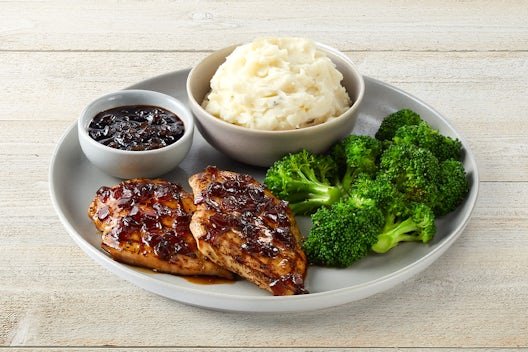
Whiskey-Glazed Chicken
Panko-crusted chicken breast bites finished with a sesame seasoning, delivering a crispy texture and tender center. Each bite is coated with a flavorful whiskey glaze that adds a delicious balance of sweetness and savory goodness.
The Art of Flame-Grilling & Signature Glazes
Restaurant grills run hotter than a home setup, usually well above what a backyard grill holds. That high heat sears the outside quickly and locks the surface, which is what gives grilled meat its crust and its smell.
The browning is a chemical reaction between proteins and sugars, not just charring. That's why a properly seared steak tastes different from one cooked slowly at low heat.
Glazes go on late. Most contain sugar, and sugar burns fast over direct flame. Applied in the last minute or two, a glaze caramelizes into a sticky coating. Applied early, it turns bitter.
Common glaze styles include smoky barbecue, sweet-and-tangy, garlic butter, and peppercorn. Ribs are usually the sweetest, steaks the most savory.
Resting matters too. Meat pulled straight off the grill and cut immediately loses juice on the plate. A short rest keeps it inside the cut.
Steak Temperature & Doneness Guide
The USDA recommends a minimum internal temperature of 145°F for whole cuts of beef with a three-minute rest, and 165°F for poultry. Restaurants cook steaks to order below that on request, which is standard practice, though it carries the usual risk any undercooked meat does.
Practical advice: leaner cuts like sirloin and filet suffer most from overcooking. Order those medium-rare to medium. Fattier cuts like ribeye handle medium better because the fat keeps them moist.
Meat continues cooking slightly after it leaves the grill, so kitchens usually pull it a few degrees early.
Beverage & Beer Pairings for Grilled Meats
- Ribeye or strip: a malty amber ale or a full-bodied red
- Sirloin: lager, pale ale, or a medium red
- Ribs with sweet glaze: brown ale, or a cola-style soft drink for a non-alcoholic match
- Grilled chicken: light lager, iced tea, or lemonade
- Spicy glazed items: something slightly sweet, since bitter beers amplify heat
- Grilled seafood: crisp white wine or a light wheat beer
The logic is simple. Rich, fatty meat needs a drink with enough body to stand up to it. Lean or spicy dishes need something lighter and slightly sweet.
Frequently Asked Questions (FAQs)
Most grill menus use a small set of house glazes, typically a smoky barbecue style, a sweet-and-tangy option, a garlic butter finish, and a peppercorn or steak sauce. Exact recipes and names vary by brand, so check the item description on your local menu.
Yes, steaks are cooked to order. Give the server a doneness level when you order. Chicken, pork, and ribs are always cooked fully through for safety, so temperature requests only apply to beef cuts.
Usually. Most grilled plates come with one or two sides, and premium sides may cost extra. Combination platters sometimes include more. The item description on the menu lists what's included at your location.
Filet is the most tender cut, followed by ribeye. Filet has very little fat, so it's mild in flavor. Ribeye has heavy marbling, which makes it richer but slightly firmer. Sirloin is leaner and firmer than both.
Plain grilled steaks, chicken, and vegetables are typically the safest choices, since gluten usually comes from breading, sauces, or glazes. Ask for sauces on the side and confirm preparation with the restaurant, as shared cooking surfaces can cause cross-contact.
Ordering Tip
Pick the cut first, then the doneness, then the glaze. Getting that order right avoids the most common mistake at the grill section: a lean cut ordered well-done under a sweet sauce, which hides everything the grill was doing in the first place.