Hot Off The Grill: Flame-Grilled Entrees
9 items in this category.
Grilled entrees are the part of the menu where cooking method matters as much as the cut. Open flame, a hot surface, and a glaze applied at the right moment are what separate a good steak from a dry one.
This page explains how flame-grilling works on a restaurant line, which cuts are worth ordering, how to pick a doneness level, and what to drink with each.
Hot Off the Grill Menu
Hot Off the Grill
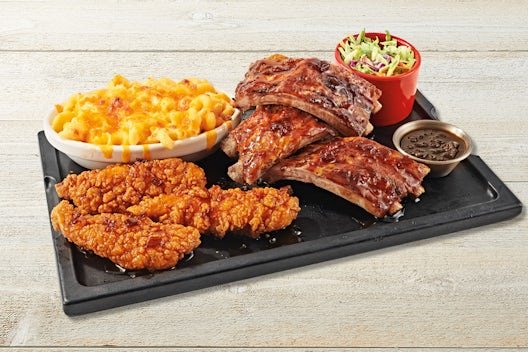
Fridays Feast Pick 2
Pick two proteins with a choice of sides, built for the table.
 Hot Off the Grill
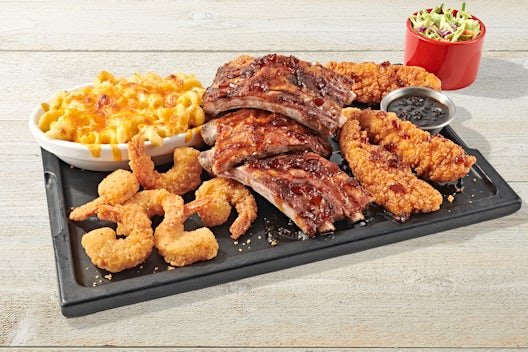
Fridays Feast Pick 3
Pick three proteins with a choice of sides, built for the table.
 Hot Off the Grill
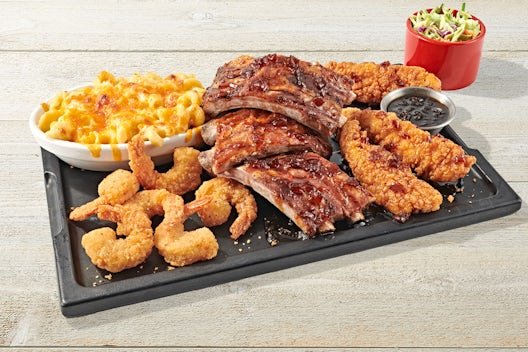
The Classic
A half-rack of ribs paired with whiskey-glazed chicken fingers and a side.
 Hot Off the Grill
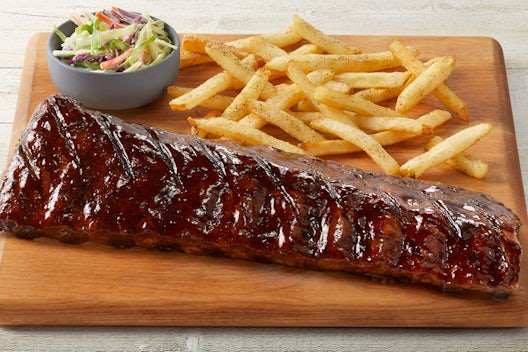
FRIDAYS™ Big Ribs
Slow double-basted pork ribs, finished in BBQ sauce or whiskey glaze.
 Hot Off the Grill
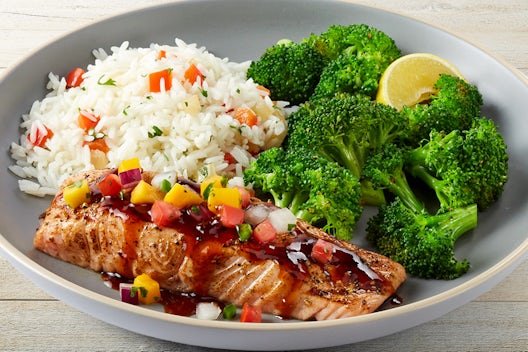
Dragon-Glazed Salmon
A spicy-sweet Dragon-glazed salmon fillet, grilled and plated with a side of choice.
 Hot Off the Grill
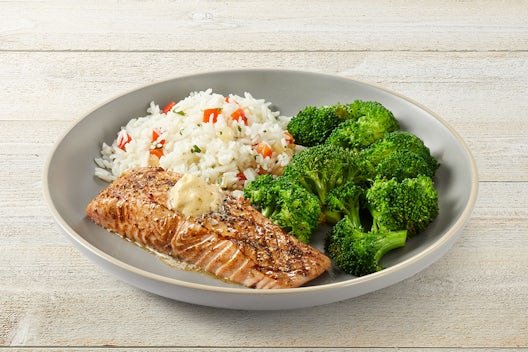
Salmon Filet
A 6 oz sustainably raised salmon fillet with garlic butter and jasmine rice.
 Hot Off the Grill
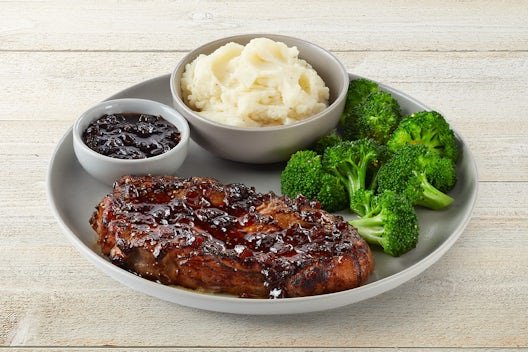
12oz New York Strip
A grilled 12 oz USDA Choice New York strip, finished garlic-butter or whiskey-glaze style.
 Hot Off the Grill
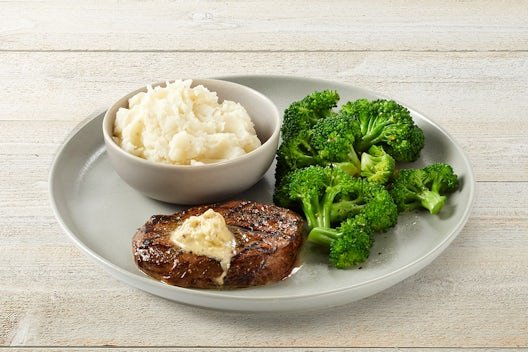
8oz Sirloin
A grilled 8 oz USDA Choice sirloin, finished garlic-butter or whiskey-glaze style.
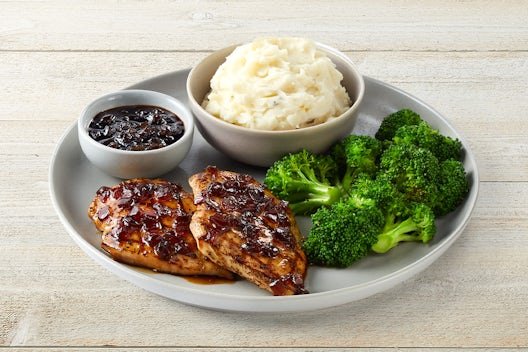 Hot Off the Grill
Whiskey-Glazed Chicken
Panko-crusted chicken breast bites finished with a sesame seasoning.
The Art of Flame-Grilling & Signature Glazes
Restaurant grills run hotter than a home setup, usually well above what a backyard grill holds. That high heat sears the outside quickly and locks the surface, which is what gives grilled meat its crust and its smell.
The browning is a chemical reaction between proteins and sugars, not just charring. That's why a properly seared steak tastes different from one cooked slowly at low heat.
Glazes go on late. Most contain sugar, and sugar burns fast over direct flame. Applied in the last minute or two, a glaze caramelizes into a sticky coating. Applied early, it turns bitter.
Common glaze styles include smoky barbecue, sweet-and-tangy, garlic butter, and peppercorn. Ribs are usually the sweetest, steaks the most savory.
Resting matters too. Meat pulled straight off the grill and cut immediately loses juice on the plate. A short rest keeps it inside the cut.
Steak Temperature & Doneness Guide
| Doneness | Internal temp | Center |
|---|---|---|
| Rare | 120°F to 125°F | Cool red |
| Medium-rare | 130°F to 135°F | Warm red |
| Medium | 140°F to 145°F | Warm pink |
| Medium-well | 150°F to 155°F | Slight pink |
| Well-done | 160°F and above | No pink |
The USDA recommends a minimum internal temperature of 145°F for whole cuts of beef with a three-minute rest, and 165°F for poultry. Restaurants cook steaks to order below that on request, which is standard practice, though it carries the usual risk any undercooked meat does.
Practical advice: leaner cuts like sirloin and filet suffer most from overcooking. Order those medium-rare to medium. Fattier cuts like ribeye handle medium better because the fat keeps them moist.
Meat continues cooking slightly after it leaves the grill, so kitchens usually pull it a few degrees early.
Beverage & Beer Pairings for Grilled Meats
- Ribeye or strip: a malty amber ale or a full-bodied red
- Sirloin: lager, pale ale, or a medium red
- Ribs with sweet glaze: brown ale, or a cola-style soft drink for a non-alcoholic match
- Grilled chicken: light lager, iced tea, or lemonade
- Spicy glazed items: something slightly sweet, since bitter beers amplify heat
- Grilled seafood: crisp white wine or a light wheat beer
The logic is simple. Rich, fatty meat needs a drink with enough body to stand up to it. Lean or spicy dishes need something lighter and slightly sweet.
Frequently Asked Questions (FAQs)
Most grill menus use a small set of house glazes, typically a smoky barbecue style, a sweet-and-tangy option, a garlic butter finish, and a peppercorn or steak sauce. Exact recipes and names vary by brand, so check the item description on your local menu.
Yes, steaks are cooked to order. Give the server a doneness level when you order. Chicken, pork, and ribs are always cooked fully through for safety, so temperature requests only apply to beef cuts.
Usually. Most grilled plates come with one or two sides, and premium sides may cost extra. Combination platters sometimes include more. The item description on the menu lists what's included at your location.
Filet is the most tender cut, followed by ribeye. Filet has very little fat, so it's mild in flavor. Ribeye has heavy marbling, which makes it richer but slightly firmer. Sirloin is leaner and firmer than both.
Plain grilled steaks, chicken, and vegetables are typically the safest choices, since gluten usually comes from breading, sauces, or glazes. Ask for sauces on the side and confirm preparation with the restaurant, as shared cooking surfaces can cause cross-contact.
Ordering Tip
Pick the cut first, then the doneness, then the glaze. Getting that order right avoids the most common mistake at the grill section: a lean cut ordered well-done under a sweet sauce, which hides everything the grill was doing in the first place.